White Wine Lobster Pasta
Highlighted under: World Food Recipes
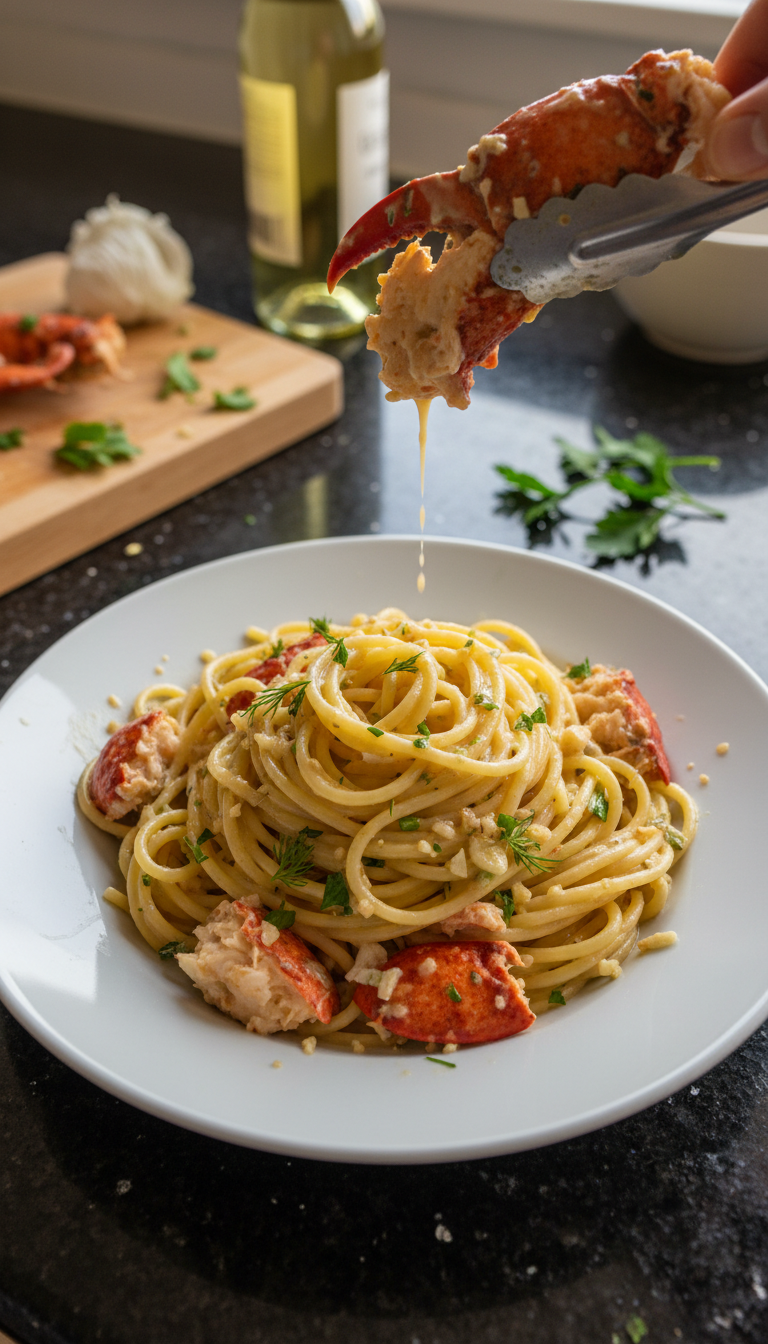
I love making White Wine Lobster Pasta when I want to impress guests or treat myself to a gourmet meal at home. The combination of tender lobster and a rich garlic white wine sauce elevates the dish to something truly special. Using fresh ingredients makes a real difference in flavor, and the aroma alone is enough to get everyone excited about dinner. Whether it’s a special occasion or just a desire for something luxurious, this recipe never fails to deliver a delightful experience on the palate.
Preparing White Wine Lobster Pasta is always a joy for me. I love selecting the freshest lobster tails and cooking them just right, so they remain tender and juicy. The key is to not overcook the lobster; I usually pull it out of the pot just before it’s fully cooked, as it will continue to cook in the sauce. Pairing it with al dente pasta and a rich garlic sauce creates a truly memorable dish.
My favorite part of this recipe is the white wine reduction. I’ve experimented with different wines and found that a dry, crisp white like Sauvignon Blanc enhances the dish beautifully. It adds a subtle acidity that balances the richness from the lobster and butter, making each bite flavorful and satisfying.
Why You Will Love This Recipe
- Succulent lobster that elevates any meal
- Rich garlic and white wine sauce that brings everything together
- An elegant dish perfect for special occasions or a cozy night in
The Importance of Fresh Ingredients
Using fresh lobster is key to making this pasta dish truly memorable. Not only does fresh lobster have a sweet, delicate flavor that pairs beautifully with the garlic white wine sauce, but it also offers a firmer texture that holds up well during cooking. If you can source lobster from a local fish market or seafood counter, do so; frozen lobsters may lack the same depth of flavor. If fresh isn't available, opt for thawed frozen lobster that has been previously cooked, ensuring it's still tender and avoids overcooking during preparation.
In addition to the lobster, the quality of your olive oil can make a significant impact on the overall taste of the dish. A good extra virgin olive oil provides a fruity, robust flavor that enhances the garlic and adds complexity to the sauce. Look for a brand with a distinct aroma and color; it’s worth investing in when preparing a dish where each ingredient plays a critical role.
Perfecting the Sauce
When making the sauce, patience is key. After adding the white wine, allow it to simmer until it has reduced to about half its original volume, which will take approximately 3-4 minutes. This reduction concentrates the wine’s flavor, balancing the richness of the heavy cream that follows. If the sauce seems too thin after you add the cream, simmer a bit longer, letting it reduce further until it reaches a glossy consistency that clings nicely to the pasta.
Be cautious with the seasoning as well; the saltiness from the lobster and the inherent flavors of the white wine will intensify through cooking. Start with a light hand on the salt and reassess once everything is combined. A sprinkle of freshly ground black pepper will enhance the dish's final flavor profile, so don't skip this step.
Making It Your Own
This White Wine Lobster Pasta recipe is versatile and can easily be customized. For instance, you can switch out the linguine for a gluten-free pasta variety if needed, such as chickpea or lentil-based pasta, which will still deliver a satisfying texture. Just be sure to adjust the cooking time according to the package instructions, as some gluten-free pastas may require slightly more or less time.
If you're feeling adventurous, consider adding a touch of heat by incorporating red pepper flakes when sautéing the garlic. This addition can elevate the dish while still allowing the lobster's natural sweetness to shine. Serving this pasta with a light salad or crusty bread for dipping in extra sauce can add great balance to the meal.
Ingredients
For the Pasta
- 8 oz linguine pasta
- 2 lobster tails, shelled and chopped
- 2 tbsp olive oil
- 3 cloves garlic, minced
- 1/2 cup dry white wine
- 1/2 cup heavy cream
- Salt and pepper to taste
- 1/4 cup fresh parsley, chopped
Instructions
Cooking Directions
Cook the Pasta
In a large pot of salted boiling water, cook the linguine according to package instructions until al dente. Drain and set aside, reserving a cup of the pasta water.
Sauté the Lobster
In a large skillet, heat olive oil over medium heat. Add the minced garlic and sauté until fragrant, about 30 seconds. Add the chopped lobster and cook until just starting to turn opaque, around 2-3 minutes.
Make the Sauce
Pour in the white wine and bring to a simmer. Allow it to reduce for about 3-4 minutes. Add heavy cream, salt, and pepper, stirring to combine.
Combine and Serve
Add the cooked linguine to the skillet with the sauce. Toss to coat, adding reserved pasta water as needed for desired consistency. Stir in fresh parsley and serve immediately.
Enjoy Your Meal!
Pro Tips
- For a more flavorful dish, consider adding a pinch of red pepper flakes for heat or garnishing with lemon zest for brightness.
Storage and Reheating
If you have any leftovers, it's essential to store them properly to maintain the integrity of the dish. Place any remaining pasta in an airtight container, separate from the sauce, to prevent it from becoming overly absorbed and mushy. It can be stored in the refrigerator for up to two days. When reheating, it’s advisable to add a splash of white wine or a bit of cream to the skillet to bring back some moisture and prevent the pasta from drying out.
Avoid reheating in the microwave if possible, as that can lead to uneven heating. Instead, opt for a skillet set on low heat. Stir frequently and add a little reserved pasta water or cream until warmed throughout and rejuvenated.
Serving Suggestions
To elevate your dining experience, consider pairing this dish with a glass of the same dry white wine you used in the sauce. This will create a harmonious balance between the food and drink while complementing the dish's flavors beautifully. Additionally, sprinkle some freshly grated Parmesan cheese on top before serving for an added layer of richness and a delightful salty finish.
For a touch of elegance, garnish the plate with lemon wedges and additional fresh parsley just before serving. This not only adds a pop of color but also provides a bright, zesty contrast to the creamy sauce, enhancing the overall dining experience.
Questions About Recipes
→ Can I use frozen lobster tails?
Yes, just make sure to thaw them completely before cooking them to ensure even cooking.
→ What white wine is best for this recipe?
A dry white wine like Sauvignon Blanc or Pinot Grigio works wonderfully in this sauce.
→ Can I substitute the linguine with another type of pasta?
Absolutely! Fettuccine or spaghetti would work well, depending on your preference.
→ How do I know when the lobster is cooked properly?
Lobster is perfectly cooked when it turns opaque and firm to the touch but be careful not to overcook it.
White Wine Lobster Pasta
Created by: The Flavorshade Team
Recipe Type: World Food Recipes
Skill Level: Intermediate
Final Quantity: 4 servings
What You'll Need
For the Pasta
- 8 oz linguine pasta
- 2 lobster tails, shelled and chopped
- 2 tbsp olive oil
- 3 cloves garlic, minced
- 1/2 cup dry white wine
- 1/2 cup heavy cream
- Salt and pepper to taste
- 1/4 cup fresh parsley, chopped
How-To Steps
In a large pot of salted boiling water, cook the linguine according to package instructions until al dente. Drain and set aside, reserving a cup of the pasta water.
In a large skillet, heat olive oil over medium heat. Add the minced garlic and sauté until fragrant, about 30 seconds. Add the chopped lobster and cook until just starting to turn opaque, around 2-3 minutes.
Pour in the white wine and bring to a simmer. Allow it to reduce for about 3-4 minutes. Add heavy cream, salt, and pepper, stirring to combine.
Add the cooked linguine to the skillet with the sauce. Toss to coat, adding reserved pasta water as needed for desired consistency. Stir in fresh parsley and serve immediately.
Extra Tips
- For a more flavorful dish, consider adding a pinch of red pepper flakes for heat or garnishing with lemon zest for brightness.
Nutritional Breakdown (Per Serving)
- Calories: 450 kcal
- Total Fat: 24g
- Saturated Fat: 12g
- Cholesterol: 90mg
- Sodium: 380mg
- Total Carbohydrates: 42g
- Dietary Fiber: 3g
- Sugars: 2g
- Protein: 22g